HR advisory
AI or a HR Advisor? What AI Can and Can't Do for Small Business HR

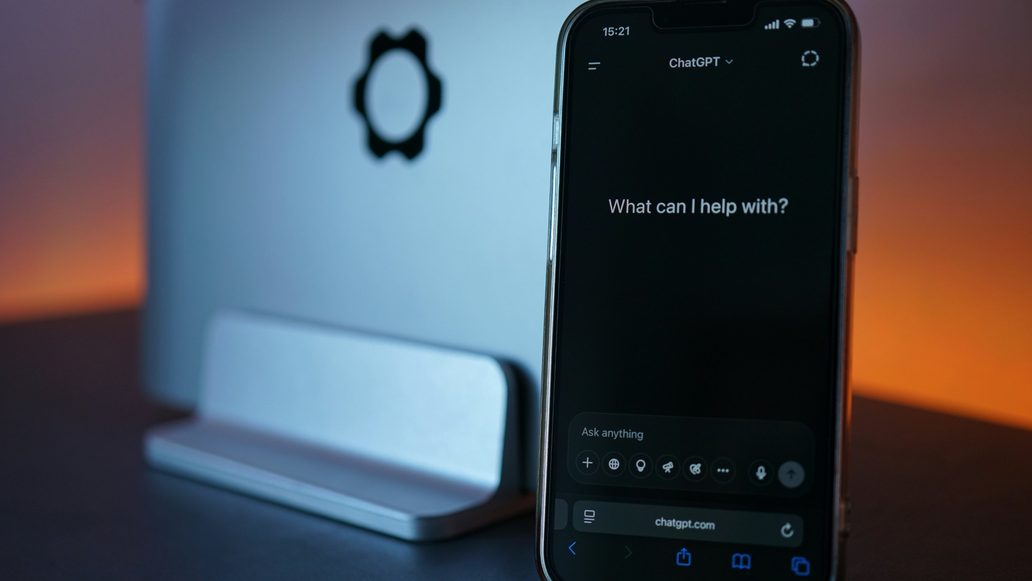
Many business owners now ask ChatGPT, Claude or Copilot about a HR problem before they ask anyone else. For plenty of tasks, that's a sensible first step. AI tools are fast, cheap and available at 10pm when a staffing issue is keeping you awake.
We use them too.
So the real question isn't AI or a HR advisor. It's knowing which jobs AI does well, where it falls short, and when the stakes are high enough to bring in a person.
Where AI genuinely helps
- First drafts. Job ads, position descriptions, onboarding checklists, letters and policy outlines. AI can turn a blank page into something to work with in minutes.
- Explaining the basics. The difference between casual and part-time employment, what a probation period is for, or what an Award covers, in plain English.
- Preparing for a hard conversation. Drafting talking points, or role-playing how an employee might respond so you're not caught off guard.
- Organising your thinking. Turning scattered notes into a timeline, or summarising a long email chain.
- Ideas. Interview questions, engagement survey questions or a team day agenda.
- Tone. Making a message clearer, firmer or kinder.
Used this way, AI saves real time. It does the groundwork, and you make the decisions.
Where AI falls short
It doesn't know your facts. An AI tool only knows what you tell it. It can't see the employment contract, the history between two people, or what was promised in an interview three years ago. Its answer is only as good as your question, and most HR problems turn on details you didn't think to mention.
It can be confidently wrong. AI tools can produce answers that sound authoritative but are out of date, borrowed from another country's rules, or simply made up. Australia has more than 100 modern awards, and award rates change every year, usually from 1 July. For pay rates, use the Fair Work Ombudsman's free Pay Calculator, not a chatbot.
It can't be in the room. AI can't run a mediation, interview witnesses, notice when someone is struggling, or be the impartial person two colleagues both trust. Much of HR is human work.
It can't take responsibility. If an AI answer is wrong, the risk sits entirely with you. An advisor stands behind their advice, and will tell you when a matter needs a lawyer.
It raises privacy questions. The Office of the Australian Information Commissioner recommends, as best practice, that organisations don't enter personal information, particularly sensitive information, into publicly available AI tools. Many organisations go further, with internal policies that prohibit putting any confidential, client or employee information into public AI tools at all. Think twice before pasting in a performance file, a complaint or a medical certificate.
AI is changing the other side too
Employees are using AI as well. In May 2026, the Fair Work Commission said its workload was on track to grow by more than 70 per cent in three years, with self-represented unfair dismissal applicants "often informed by content generated by AI".
For employers, that means a claim is easier to lodge than ever. A fair, well-documented process matters more, not less.
Using AI and an advisor together
| Task | Where AI helps | Where an advisor adds value |
|---|---|---|
| Hiring | Drafting the job ad and interview questions | Choosing the right Award, classification and contract type |
| Policies | A first-draft outline | Making it fit your business, current law and how you actually operate |
| Pay | Explaining how Awards work | Checking classifications, penalty rates and underpayment risk |
| Performance concerns | Planning what to say | A fair, documented process that holds up if it's challenged |
| Workplace conflict | Thinking through your own perspective | An impartial mediator both people can trust |
| A complaint or allegation | Organising the timeline | An independent, procedurally fair investigation |
A simple test
Before relying on an AI answer, ask yourself three questions:
- Does this affect a specific person's job, pay or wellbeing?
- Could it end up in front of the Fair Work Commission?
- Would getting it wrong be expensive or hard to undo?
If the answer to any of them is yes, use AI to prepare, then get an advisor to check before you act.
What a HR advisor brings
Experience is the difference. After 13 years in generalist HR, Shaadi has seen how situations like yours tend to play out, which questions to ask first and which well-meaning steps make things worse. An advisor gets to know your business over time, so the advice fits your people and your circumstances, not a generic version of them.
The bottom line
AI is a capable assistant, and small businesses should use it. But it isn't a substitute for judgement on decisions that affect people's livelihoods. Use AI to save time on the groundwork, and bring in an advisor when the stakes are real.
If you're facing a HR decision and want a second opinion, start with a free, confidential 15-minute call. Read more about our HR advisory services and ad hoc HR support.