Mediation
The Slippery Slope of Workplace Conflict: When Should You Intervene?

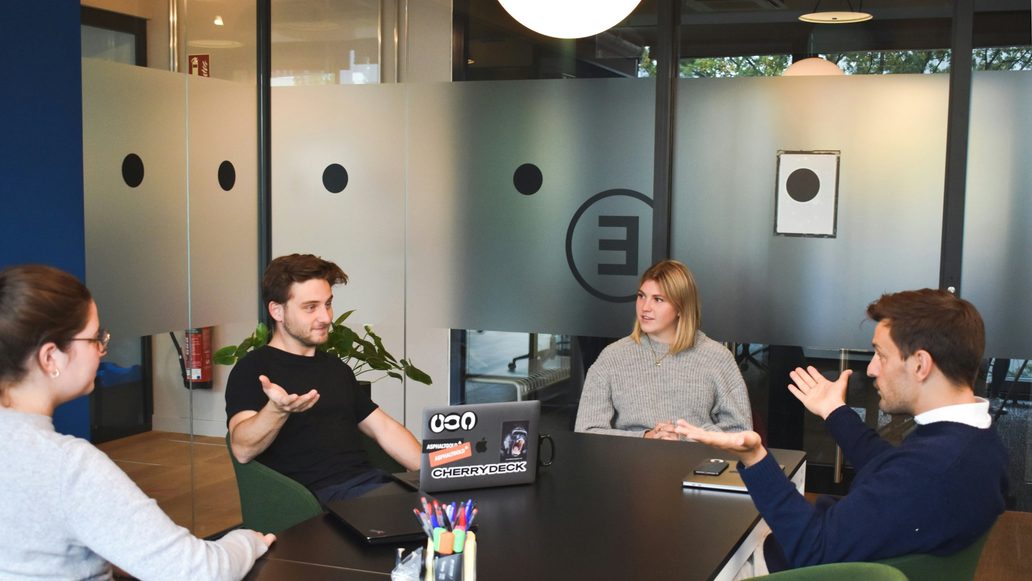
Workplace conflict rarely starts with a blow-up. It starts quietly: a comment that doesn't sit right, a colleague who feels overlooked, a manager who notices a change in behaviour and assumes it will pass. A conversation gets avoided because it's "not a big enough issue yet".
Then communication gets shorter. People start assuming the worst about each other's intentions, and colleagues stop talking to each other and start talking about each other. What began as a small issue becomes a formal complaint, a HR matter or a working relationship that has broken down.
That's the slippery slope. The good news is that conflict can usually be redirected long before it reaches the bottom, and the earlier you step in, the easier it is to change direction.
The five stages of workplace conflict
Conflict is a process, not a single event. It tends to move through five stages, and one of the most common misconceptions is that mediation only belongs in the last two.
| Stage | What you'll notice | What helps |
|---|---|---|
| 1. Difference | Different working styles, priorities or expectations. People still work together fine. | Talking about it early. Clear roles and expectations. |
| 2. Tension | Shorter replies, uncomfortable meetings, someone withdrawn or defensive. No complaint yet. | Early mediation or a facilitated conversation. |
| 3. Escalation | People avoid each other, involve colleagues, keep notes, raise informal complaints. | HR involvement, with mediation alongside for the relationship. |
| 4. Breakdown | Low trust, fixed views of each other's motives, formal grievances, team disruption. | Mediation can still work, aiming for a professional working relationship. |
| 5. Crisis | Extended leave, transfer requests, escalated grievances, legal advice. | A formal process first. Mediation may play a role later. |
Stage 1: Difference
Not every disagreement is a conflict. Healthy teams disagree about priorities, responsibilities and how they communicate. The risk comes when differences aren't talked about, because unspoken differences turn into assumptions, and assumptions are where conflict usually begins.
Stage 2: Tension (the best time to act)
Something has changed. Conversations feel harder, someone is withdrawn or defensive, and one person may feel the other is excluding or undermining them. There's no formal complaint yet, and that's exactly why this is the ideal time for early mediation.
The aim isn't to decide who's right. It's to give people a structured conversation about what's happening and what needs to change, before a difficult relationship becomes a damaging one.
Stage 3: Escalation
Now the conflict is affecting the work. People avoid each other, bring colleagues in or start documenting interactions, and informal complaints reach a manager or HR.
HR involvement is appropriate here: to establish what has happened, apply your policies and decide whether a formal process is needed. But HR and mediation aren't either/or. HR can manage the procedural side while mediation gives the people involved a confidential space for a different kind of conversation. (If there are allegations that need findings, read mediation or investigation: which do you need?)
Stage 4: Breakdown
Trust is low, people have fixed views about each other's motives, and communication is purely transactional or has stopped altogether. There may be formal grievances or performance concerns.
Mediation is harder at this point, but harder doesn't mean impossible. The goal doesn't have to be friendship. A successful mediation might simply mean:
- We can communicate professionally.
- We understand what each of us needs.
- We've agreed how we'll work together from here.
That's a meaningful outcome.
Stage 5: Crisis
People are on extended leave, asking for transfers or seeking legal advice, and the business is significantly disrupted. The options narrow. Mediation may still have a role, but it's rarely the right first step, which is why waiting until this point is so costly.
A better question to ask
Leaders often ask, "Is this bad enough for mediation?" A better question is: "Could mediation help us prevent this from getting worse?"
What it looks like in practice
Here's a common pattern (an illustrative example, not a real client). Two team leaders in a growing business disagree about how work should be handed over between their teams. Neither raises it directly. Over a few months, handovers get missed and each starts copying their manager into emails "for visibility". Their teams start taking sides, and eventually one leader tells HR she feels undermined.
Caught at the email stage, this is one facilitated conversation about handover expectations. Left until a formal grievance, it can mean weeks of process, a divided team and possibly a resignation.
Signs it's time to consider mediation
- Communication between two people has noticeably deteriorated.
- The same issue keeps coming back.
- People are making assumptions about each other's intentions.
- Colleagues are avoiding one another.
- A manager keeps having to step in.
- An informal conversation hasn't fixed it.
- You can see a formal complaint developing.
Mediation also needs both people to be willing to take part.
Why acting early matters
Unresolved conflict rarely stays between two people. Teams divide, people take sides, and managers spend their time managing personalities instead of the work. Early mediation can stop conflict becoming part of a team's culture.
There's a legal side too. Since 1 October 2022, NSW work health and safety regulations have required employers to manage psychosocial hazards, and conflict and poor workplace relationships are recognised hazards. Acting at the tension stage is part of managing that risk, not just good management.
Repair is possible
Repair doesn't mean pretending the conflict didn't happen, or asking someone to simply "move on". It means acknowledging what happened, understanding its impact and agreeing a different way forward. Sometimes that means rebuilding trust; sometimes it means clearer boundaries. And sometimes it means agreeing the relationship doesn't need to be close, just functional, respectful and professional.
Good mediation helps people move from "This is what they did to me" towards "This is what happened, this is the impact it had, this is what I need, and this is what we can do differently from here."
Don't wait for the crisis point
Not every disagreement needs mediation, and the aim isn't a workplace without conflict. It's a workplace where conflict is spotted and dealt with before it becomes destructive. If you're seeing tension turn into a pattern, ask yourself: what would happen if we addressed this now?
A free, confidential 15-minute call is a good place to start. You can also read more about workplace mediation or what happens in a mediation, step by step.